Best School Playground Improvements That Governors Will Approve
Updated on: August 7, 2026
When investing in a school playground, gaining approval from governors is often one of the most important steps in the decision-making process. While colourful equipment and exciting play spaces may capture children’s imaginations, governors are looking for something different. They want to know that every pound spent delivers measurable value, supports the school’s strategic objectives and provides a lasting benefit for pupils.
The good news is that the best school playground improvements do exactly that.
Whether you’re using PE and School Sport Partnerships Network funding, capital budgets or fundraising income, here are the playground improvements that governors are most likely to approve, and why.
What Do Governors Look for When Approving Playground Projects?
Governors have a responsibility to ensure school funds are spent wisely. Before approving any investment, they’ll often ask questions such as:
- How will this benefit pupils?
- Is it good value for money?
- Will it support learning as well as play?
- How long will it last?
- Is it suitable for all children?
- Will it require ongoing maintenance?
- Does it align with the school’s development priorities?
If your playground proposal can answer these questions, you’re already in a much stronger position.
1. Projects That Deliver Long-Term Value
Governors aren’t usually looking for the cheapest solution, they’re looking for the best investment.
High-quality playground equipment and thermoplastic playground markings may cost more initially than lower-quality alternatives, but they often last significantly longer and require far less maintenance.
For example, durable thermoplastic playground markings are designed to withstand years of daily use, resisting fading and wear far better than painted alternatives. Likewise, robust playground equipment built from high-quality timber, steel structures, or HDPE panels offers many years of safe, reliable use.


When presenting a proposal, focus on the total cost over the product’s lifetime rather than just the purchase price.
Governor Tip: Demonstrate how investing once in quality products reduces future repair and replacement costs.
2. Improvements That Support the Curriculum
Governors are particularly interested in projects that extend learning beyond the classroom.
Outdoor spaces are increasingly being used to reinforce key areas of the curriculum, allowing children to learn through movement and play.
Examples include:
- Phonics zones
- Maths games
- Geography and Science games
- Road safety markings
- Outdoor storytelling areas
- Makaton and communication panels


These features maximise the value of the playground by supporting teaching throughout the day, not just at break time.
Governor Tip: Explain how the playground will be used during lessons as well as during play.
3. Equipment That Encourages Physical Activity
With increasing attention on children’s health and wellbeing, governors recognise the importance of encouraging pupils to be active throughout the school day.
Investments that promote movement can help schools:
- Increase physical activity
- Improve gross motor skills
- Encourage active play
- Reduce sedentary behaviour
- Support physical development across all year groups
Popular choices include:
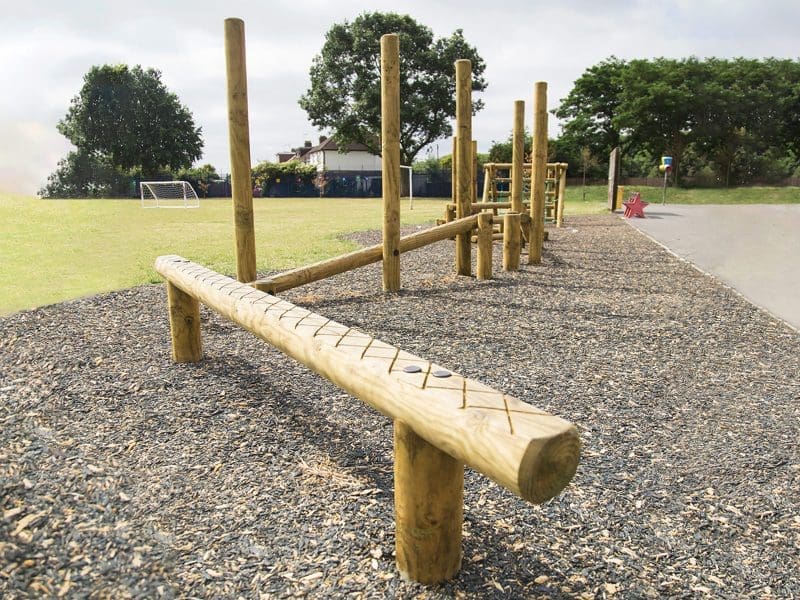
- Trim trails
- Climbing frames
- Play towers
- Stepping blocks and beams
- Active playground trails
- Sports markings
These projects also align well with schools looking to maximise the impact of their PE and School Sport Partnerships Network funding.

4. Inclusive Playgrounds That Welcome Every Child
Inclusivity has become a key priority for many schools, and governors increasingly want to see playgrounds that cater for pupils of all abilities.
An inclusive playground provides opportunities for every child to play, socialise and learn together.
This might include:
- Sensory play panels
- Accessible playground markings
- Quiet areas
- Communication boards
- Wheelchair-accessible routes
- Equipment suitable for different physical abilities


Rather than creating separate play areas, modern playground design focuses on bringing children together through shared experiences.
Governor Tip: Highlight how your project supports equality, inclusion and pupil wellbeing.
5. Sustainable Investments
Schools are placing greater emphasis on sustainability, and governors often look favourably on projects that minimise environmental impact.
This can include choosing products that are:
- Built from durable materials
- Designed to last for many years
- Manufactured responsibly
- Low maintenance
- Easy to repair rather than replace
Investing in products with long warranties and proven durability reduces waste while delivering better value over time.


6. Projects That Improve Behaviour and Wellbeing
An engaging playground isn’t just beneficial for physical activity, it can also have a positive impact on behaviour.
Well-designed outdoor spaces help children:
- Stay active
- Develop social skills
- Burn off energy
- Engage in imaginative play
- Self-regulate through sensory activities


Many schools find that creating clearly defined play zones and providing a variety of activities helps reduce boredom and encourages more positive interactions during break times.
When presenting your proposal, explain how the improvements could contribute to a calmer, more engaging playground environment.
7. Flexible Spaces That Grow with the School
Governors appreciate investments that continue delivering value as the school evolves.
Instead of creating single-purpose spaces, consider improvements that can be used by different year groups and adapted over time.
Examples include:
- Multi-use playground markings
- Modular play equipment
- Active learning zones
- Open spaces for PE, play and outdoor lessons
The more ways a space can be used, the stronger the return on investment.


8. Phased Playground Developments
Large playground projects don’t have to happen all at once.
Many schools successfully improve their outdoor spaces over several years, spreading costs across multiple budgets or funding streams.
For example, you could begin with:
Phase One
- Playground markings
- Activity trails
Phase Two
- Trim trail
- Climbing equipment
Phase Three
- Sensory play area
- Outdoor classroom
- Additional seating
A phased approach demonstrates careful financial planning while allowing governors to see measurable improvements after each stage.
Building a Strong Business Case
If you’re presenting a playground proposal to governors, focus on the outcomes rather than simply listing products.
Ask yourself:
- How will this improve children’s experiences?
- How does it support teaching and learning?
- What long-term savings will it deliver?
- How many pupils will benefit?
- Does it support our school improvement priorities?
- Can it be funded through existing budgets or grants?
Answering these questions clearly can make the difference between a proposal that gets approved and one that gets postponed.


A Playground Is an Investment in the Whole School
The most successful playground projects don’t just add new equipment, they transform how children learn, play and develop throughout the school day.
By choosing improvements that deliver long-term value, support the curriculum, encourage physical activity and create inclusive opportunities for every pupil, schools can build a compelling case that governors are far more likely to support.
At Fun & Active Playgrounds, we work with schools across the UK to design playgrounds that meet educational goals as well as budget requirements. From educational playground markings and inclusive play equipment to complete playground transformations, we help schools create outdoor spaces that continue delivering value for years to come.
Book a free consultation today and discover how we can help you build a playground proposal your governors will be excited to approve.