Creating Inclusive Playgrounds: Equipment & Markings that Welcome Everyone
Updated on: August 19, 2025
Every child should feel excited to step onto a playground, knowing there’s something there for them to enjoy. Inclusive playgrounds are more than just spaces with a few accessible features—they are places where every child, regardless of ability, can take part, interact, and feel a sense of belonging.
When you combine thoughtfully chosen playground equipment with well-designed playground markings, you create a play environment that truly welcomes everyone. The goal is simple: no child should have to watch from the sidelines.


Designing with Every Child in Mind
When planning an inclusive playground, think about the needs of children with:
-
Physical disabilities – equipment with ramps, wide pathways, and ground-level play.
-
Sensory processing differences – quieter zones, tactile panels, and calming play areas.
-
Neurodiversity – clear layouts, visual prompts, and varied activities to suit different interests and comfort levels.
-
Different energy levels – from active climbers to children who prefer imaginative or social play.
Inclusive Playground Equipment Ideas
1. Ground-Level Play
Features such as play panels, musical instruments, and sand or water tables allow children to engage without needing to climb.
2. Wide, Accessible Pathways
Smooth, non-slip surfacing ensures that children using wheelchairs, walking aids, or pushchairs can move easily around the space.
3. Multi-User Swings & Spinners
Basket swings and wheelchair-accessible roundabouts give children of all abilities the chance to enjoy motion-based play together.
4. Sensory-Rich Features
Play panels with textures, sounds, and visual elements help engage multiple senses, making play more meaningful for children with sensory needs.


The Role of Playground Markings in Inclusion
Playground markings are a powerful but often overlooked tool in creating inclusive play spaces. They can transform empty tarmac into a world of possibilities.
1. Clear, Visual Games
Markings like hopscotch and number grids use bold colours and simple shapes to makes games more accessible. Add further communicative aids with our range of Widgit Symbols, globally-recognised and highly impactful. Widgits can be added within trails or placed ahead of games such as targets, to illustrate the action required.
2. Inclusive Sports Courts
Custom sports court markings with flexible rules—such as slower-paced ball games—allow mixed-ability groups to join in. Adding zones for smaller-scale activities means no one gets left out.
3. Imaginative Play Zones
Markings such as roadways and movement trails give children with different physical abilities a shared backdrop for creative play. These work brilliantly alongside freestanding equipment such as stepping blocks and beams.
4. Sensory Trails
A sensory trail with colourful shapes and number markings, paired with tactile play panels can guide children through different activities at their own pace. This supports motor skills, balance, and co-ordination.


Surfacing Choices to Support Inclusion
To get the most from your playground equipment, your playground surface needs to be safe and accessible. Popular options include:
-
Wetpour rubber – slip-resistant and shock-absorbing, teaming perfectly with play equipment.
-
Artificial grass – soft underfoot, great for themed zones and calming sensory areas.
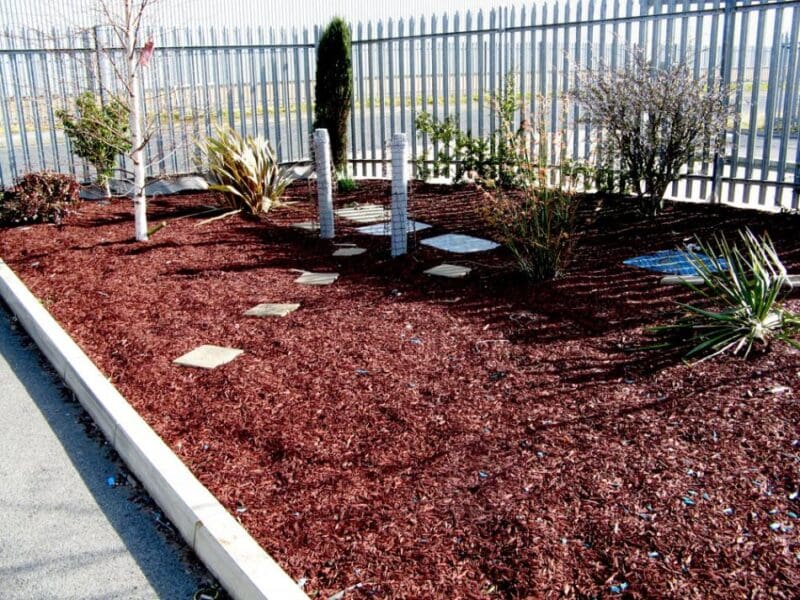
- Rubber mulch – natural look with impact protection.

Practical Tips for Schools and Communities
-
Involve Children in the Design – Ask pupils what games they enjoy and how they’d like to see their playground change.
-
Mix Physical and Imaginative Play – Cater for children who love to run and climb as well as those who prefer creative role play.
-
Plan for Different Ages and Abilities – Ensure markings and equipment suit both younger and older pupils, as well as SEN students.
-
Think About Flow – Keep pathways clear for wheelchair users, and link equipment with markings so the whole space feels connected.
A Playground Where Everyone Belongs
Creating inclusive playgrounds isn’t about adding a few specialist items—it’s about designing a space where every child can play without barriers. By combining accessible equipment with thoughtful playground markings, you can make your playground more welcoming, engaging, and fun for everyone.
When every child finds something they can enjoy, your playground becomes more than just a play space—it becomes a community.
Contact us today to begin your playground journey.