School Playground Checklist for Health & Safety Inspections
Updated on: August 7, 2026
Whether you’re preparing for a routine health and safety inspection, carrying out your own site checks, or simply want peace of mind that your outdoor space is safe for pupils, regular playground inspections are essential.
A well-maintained playground not only helps reduce the risk of accidents but also demonstrates your school’s commitment to providing a safe, engaging learning environment.
In this guide, we’ve put together a practical checklist to help schools identify common issues before they become bigger problems.
Why Regular Playground Inspections Matter
School playgrounds are used every day by hundreds of children. Over time, weather, heavy use and natural wear can all affect the safety and performance of equipment and surfacing.
Regular inspections help schools to:
- Identify potential hazards before they cause injuries
- Extend the lifespan of playground equipment
- Protect your investment
- Reduce maintenance costs
- Keep outdoor learning and play areas safe and enjoyable
While formal inspections should be carried out at appropriate intervals, schools should also carry out routine visual checks throughout the year.
1. Check Playground Equipment for Signs of Wear
Start by inspecting all fixed playground equipment.
Look for:

- Loose bolts or fixings
- Splintered timber
- Rust or corrosion on metal parts
- Cracked or damaged HDPE panels
- Frayed ropes or nets
- Broken handrails
- Sharp edges
- Missing components
Children quickly notice damaged equipment, and unfortunately, they often continue using it regardless.
If equipment feels unstable or damaged, it should be removed from use until repairs have been completed.
2. Inspect Playground Surfacing
The surface beneath and around equipment plays a vital role in reducing injuries from slips and falls.

Check for:
-
-
-
-
-
- Uneven surfaces
- Cracks in tarmac
- Worn wetpour
- Loose edging
- Standing water
- Trip hazards
- Poor drainage
-
-
-
-
If your playground has high-use areas beneath climbing equipment or swings, these should be inspected particularly carefully.
3. Review Playground Markings

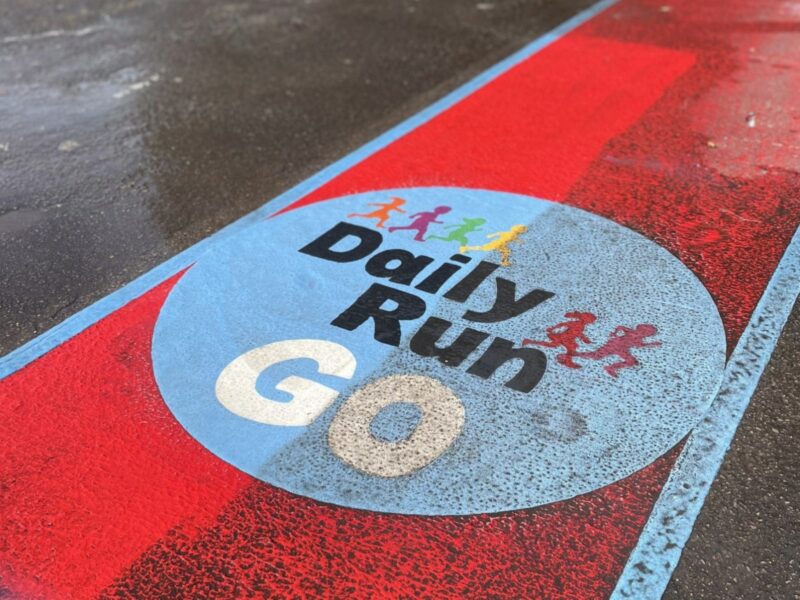
Thermoplastic playground markings are extremely durable, but they should still be checked periodically.
Look for:
-
- Excessive wear
- Damage caused by ground movement
- Slippery build-up from moss or algae
- Faded instructional markings
Keeping markings clean helps maintain their anti-slip properties and ensures children can continue using them safely.
4. Examine Fencing and Gates
Your playground boundary should always be secure.

Check:
-
-
-
-
- Gates open and close correctly
- Locks work properly
- Hinges aren’t loose
- Fencing is stable
- No broken panels
- No gaps large enough for children to access restricted areas
-
-
-
Good perimeter security protects both pupils and equipment.
5. Remove Trip Hazards
Walk around the playground as if you were a child.

Look for:
-
- Raised tree roots
- Loose paving
- Uneven tarmac
- Broken kerbs
- Drain covers
- Exposed foundations
- Debris
Small hazards often become invisible to staff who see them every day.
6. Check Outdoor Furniture
 Benches, picnic tables, planters and shelters also need regular inspection.
Check for:
- Loose fixings
- Rotting timber
- Sharp edges
- Broken seats
- Damaged roofing
- Movement when pushed
These areas are often overlooked despite being heavily used during break times.
7. Make Sure Play Areas Are Inclusive
A safe playground is also one that allows every child to participate.

Consider:
- Accessible routes around the playground
- Inclusive play equipment
- Sensory play opportunities
- Quiet spaces
- Appropriate surfacing for mobility aids
- Equipment suitable for different age groups and abilities
Reviewing inclusivity during inspections helps ensure your outdoor space continues to meet the needs of all pupils.
8. Review Signage
Check that any playground rules or safety signs remain:
- Visible
- Legible
- Relevant
- Securely fixed
Clear signage helps reinforce safe behaviour during playtimes.
9. Keep the Playground Clean
Leaves, mud and moss can quickly create slip hazards.
Regularly remove:
-
- Leaves
- Mud
- Litter
- Moss
- Algae
- Fallen branches
Routine cleaning also helps preserve playground markings and extend the lifespan of equipment.
10. Keep Maintenance Records
Documenting inspections is just as important as carrying them out.
Maintain records of:
- Inspection dates
- Issues identified
- Repairs completed
- Equipment maintenance
- Replacement parts installed
Having a clear maintenance history makes future inspections much easier and demonstrates proactive site management.
When Should Schools Consider Replacing Equipment?
Not every issue requires a full replacement, but there comes a point when repairs become less cost-effective.
You may want to consider upgrading your playground if you notice:
- Frequent repair requirements
- Significant structural deterioration
- Equipment no longer meeting the needs of your pupils
- Limited accessibility or inclusivity
- Outdated play opportunities
- Poor use of available space
Many schools choose to upgrade their playground in phases, spreading the investment over several budget cycles while steadily improving their outdoor environment.
Need Help Assessing Your Playground?
If you’re unsure whether your playground needs repairs, replacement equipment or simply a refresh, our experienced team can help.
At Fun & Active Playgrounds, we work with schools across the UK to identify opportunities for improvement and design safe, engaging outdoor spaces that stand the test of time.
Whether you’re planning a small upgrade or a complete playground transformation, we’re here to help you create an outdoor environment that keeps children safe, active and inspired.
Book a free playground consultation today and let our team help you get your playground inspection-ready.